Support the Arts
We rely on the generosity of our members and donors to keep our gallery accessible to all. Become a member today and enjoy exclusive benefits.
We rely on the generosity of our members and donors to keep our gallery accessible to all. Become a member today and enjoy exclusive benefits.
March 8, 2025 — April 5, 2025

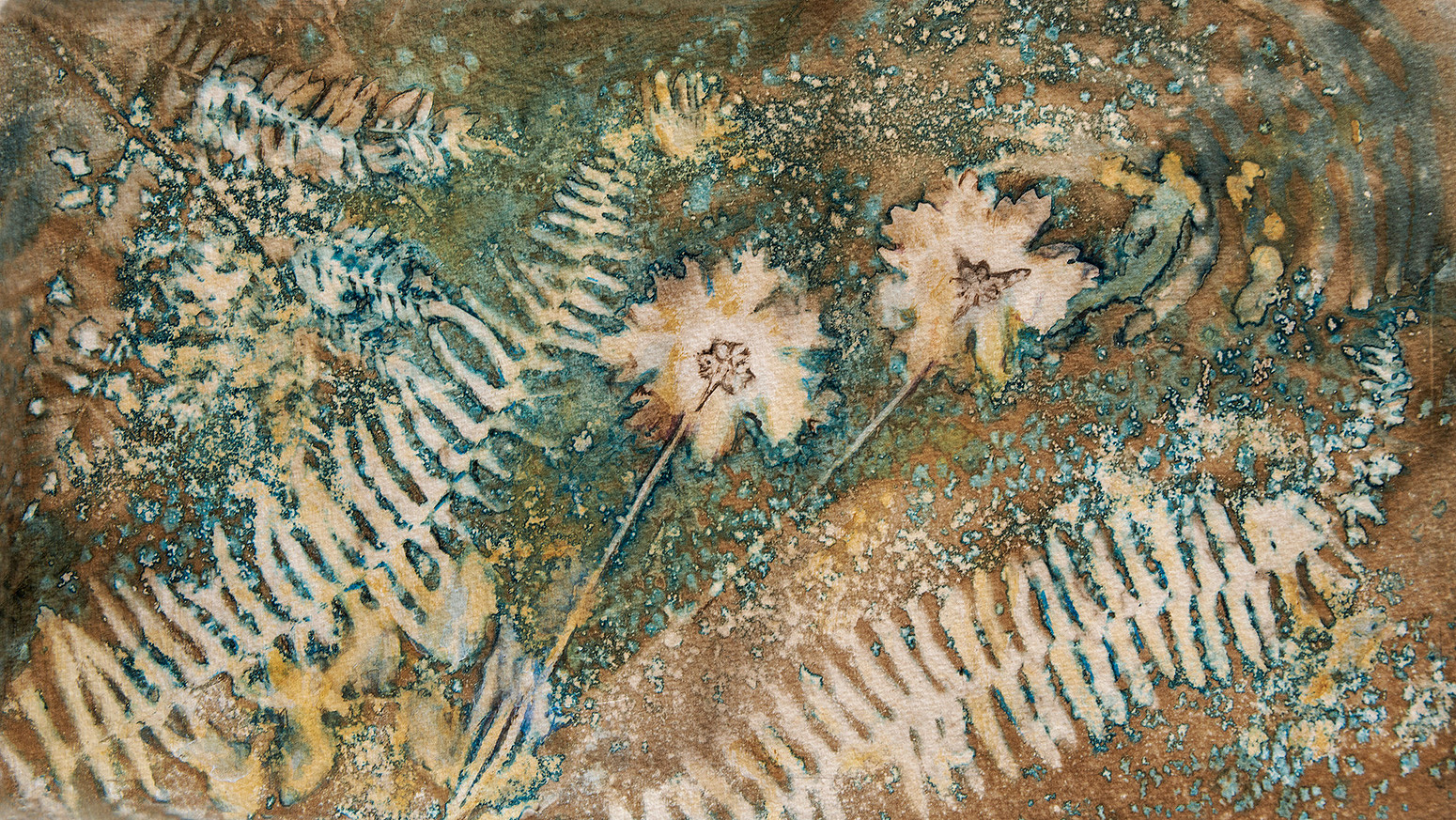
Kanasawa Peony — Sandra Klein
A dual exhibition featuring photographs by Diana Nicholette Jeon ('when stars fell from the sky') and Sandra Klein ('Grieving in Japan'). The exhibition showcases work by two women artists whose insightful photographs explore themes of loss, grief, memory and resilience, presented during Women's History Month.
Curious about a piece? Click any artwork image to learn more
Diana Nicholette Jeon's internationally exhibited work explores universal themes of loss, dreams, memory, and female identity via metaphor and personal narrative. Solo exhibitions include the Honolulu Museum of Art (HI), Blue Sky Gallery (OR), Garage Gallery (NY), 2020 and 2022 HeadOn PhotoFestival, Disorder Gallery (Sydney, AU), A Smith Gallery (TX), and Kirsch Gallery (HI). Recognition for her work includes Overall Winner of the 11th Julia Margaret Cameron Award (2018), Juror's Pick (2020) and Finalist (2022, 2024) in the LensCulture B+W Photo Awards, Silver in Photo Book/Silver in Special–AI in the Prix de la Photographie Paris (2024), and five-time Critical Mass finalist. Jeon's art is held in public and private collections worldwide, including four works in the permanent collection of the State of Hawai'i. Jeon writes about photography for FRAMES magazine. She holds an MFA in Imaging and Digital Art from UMBC and resides in Honolulu, HI, with her husband and son.
when the stars fell from the sky
when the stars fell from the sky is a dos-à-dos book project and print series culled from three series about my experience with debilitating grief. The imagery depicts a visual odyssey through a devastating period when I experienced an unexpected and profound loss—the kind that destroyed my self-assurance and emotional equilibrium. Suddenly, I was steeped in a new normal that was abnormal, navigating terrain akin to a rollercoaster ride that I had never stood in line for. I felt isolated and alone. Time became endless and smothering. Everything seemed impossible.
Consciously reliving this experience to make this work is a profound journey of a harrowing past, a bittersweet act of peeling back layers of pain, and an avenue for solace and communion.
Sandra Klein is an artist whose images, whether captured with a camera or composited, portray a layered world which, though filled with anxiety and trauma, is still rich with joy. She was born in Elizabeth, New Jersey, and received a BFA from Tyler School of Fine Art in Philadelphia, Pennsylvania, and an MA in Printmaking from San Diego State University. Her images have been shown throughout the United States and abroad, and she has had solo shows at the Griffin Museum of Photography, the Lishui and Yixian Festivals in China, Studio Channel Islands, the A Smith Gallery in Texas, Photographic Gallery SMA in San Miguel de Allende, Mexico, and Atlanta Photography Group. She was the recipient of the Lorser Feitelson Grant jointly with artist Betye Saar.
She is represented by Photographic Gallery SMA in San Miguel de Allende, Mexico, and Walker Fine Art Gallery in Denver, Colorado.
IN THE DARK TIMES
WILL THERE BE SINGING?
YES, THERE WILL BE SINGING.
ABOUT DARK TIMES.
—Bertolt Brecht
Is it possible to portray a grief so deep that it is difficult to endure? For a number of years, I have visited Japan in winter, but the January after the tragic death of my oldest son, I longed to visit this surreal, almost otherworldly land with the anticipation that I could grieve here in a way I couldn't at home. The stunning snow-covered landscapes I captured for this series, with their muffled silence, hiding almost all color, all vestiges of humanity and the modern world, almost seemed to weep for me. Japan's unfamiliar religious rituals and ancient objects, with their histories and iconography, affected me deeply.
The images in this project straddle the real and surreal. The recontextualizing of photographs and ephemera, where images are composited to include historical art and objects, reflects my altered state of reality. The materiality of these collages satisfies a need to define my personal despair with a more physical, unique object, as I cut and sew into the photographs as an act of memorializing not only my son, but my own journey into a new reality.
Grieving in Japan is a meditation on a life that feels unhinged and unbearable. I experience periods of isolation from all that is familiar as I am pulled far away into the unknown world of loss. And yet, I am reminded, at moments, of the small joys this world reveals, inviting me to experience flashes of utter pleasure, even as I mourn.


